

Maintenance Considerations for floating ball valves
Floating ball valves are widely used across industrial sectors such as oil and gas, chemical processing, water treatment, and general manufacturing. Their relatively simple design, tight shutoff capability, and cost efficiency make them a common choice for low to medium pressure applications. As process systems become more automated and uptime requirements increase, maintenance strategies for these valves have gained greater attention. Operators are no longer focused solely on corrective repairs; instead, they emphasize preventive maintenance and lifecycle management to reduce unplanned downtime and extend asset service life.
In this context, understanding the specific Maintenance Considerations for Floating Ball Valves is essential for maintaining consistent performance and operational safety.
The defining feature of a Floating ball valve is that the ball is not mechanically fixed at both ends. Instead, it is supported by the valve seats and allowed to move slightly in response to line pressure. When the valve closes, upstream pressure pushes the ball against the downstream seat, creating a tight seal.
While this design simplifies construction and enhances sealing at lower pressures, it concentrates sealing loads on the seats. Over time, this can influence wear patterns and maintenance requirements. Effective maintenance planning must account for how pressure, cycling frequency, and media characteristics interact with the floating ball mechanism.
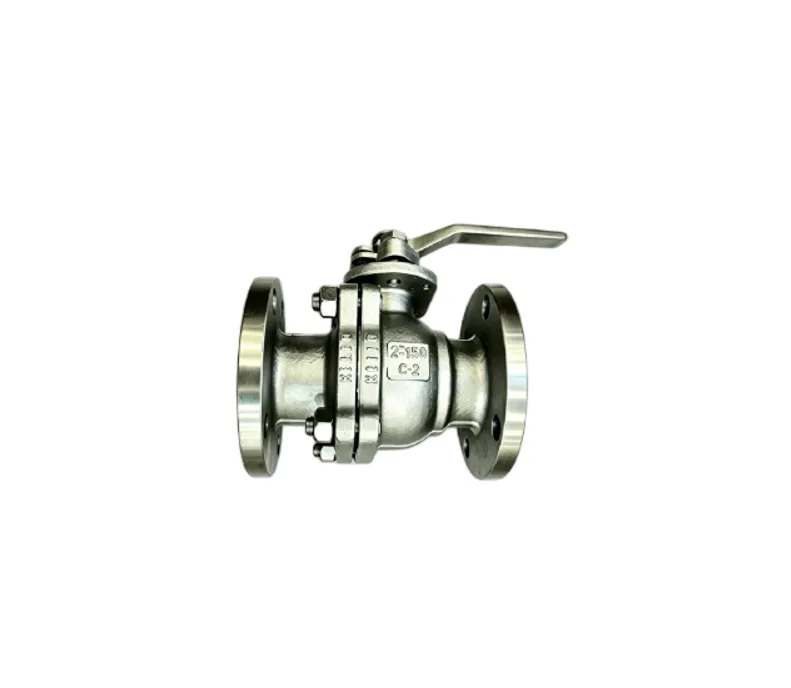
A typical floating ball valve consists of a body, ball, seats, stem, packing, and seals. Valve bodies are commonly manufactured from carbon steel, stainless steel, or brass, depending on service conditions. The ball is precision-machined and polished to achieve a smooth sealing surface, often with chrome plating or other surface treatments to reduce friction and wear.
Seat materials vary widely and include PTFE, reinforced PTFE, and other polymer-based compounds. These materials offer excellent sealing performance but are sensitive to temperature limits and abrasive media. Stem sealing systems, including packing rings and O-rings, prevent leakage while allowing rotational movement.
Manufacturing quality directly affects maintenance frequency. Poor surface finish, dimensional inconsistencies, or inadequate material selection can accelerate wear and increase the likelihood of leakage or torque variation during operation.
Several factors influence how often floating ball valves require maintenance:
Operating pressure and differential pressure, which determine seat loading and wear rate
Cycle frequency, as frequent operation increases frictional wear on seats and stem seals
Process media, particularly if it contains solids, abrasives, or corrosive components
Temperature range, which affects seat material stability and elasticity
Installation quality, including alignment and flange stress
In systems where valves are operated infrequently, deposits or corrosion may accumulate on the ball surface, increasing torque and hindering smooth operation when the valve is finally actuated.
Seat wear is the most common maintenance issue in floating ball valves. As the ball shifts under pressure, the downstream seat experiences concentrated contact stress, leading to deformation or extrusion over time. This can result in leakage or increased operating torque.
Stem leakage is another frequent concern, often caused by packing degradation or improper adjustment. Inadequate lubrication or contamination can exacerbate this issue. In some cases, valves are specified beyond their optimal pressure or temperature range, leading to premature failure and higher maintenance costs.
Access for maintenance can also be challenging, especially in tightly packed pipe racks or hazardous environments where isolation and depressurization procedures are complex.
Selecting reliable suppliers plays a significant role in long-term maintenance outcomes. Manufacturers with consistent material sourcing, controlled machining processes, and thorough testing practices tend to deliver valves with predictable wear behavior. Availability of standardized spare parts, such as seats and packing sets, simplifies maintenance planning and reduces downtime.
Suppliers that provide clear maintenance documentation, including recommended inspection intervals and torque specifications, support more effective asset management. In regulated industries, traceability of replacement parts may also be required to maintain compliance.
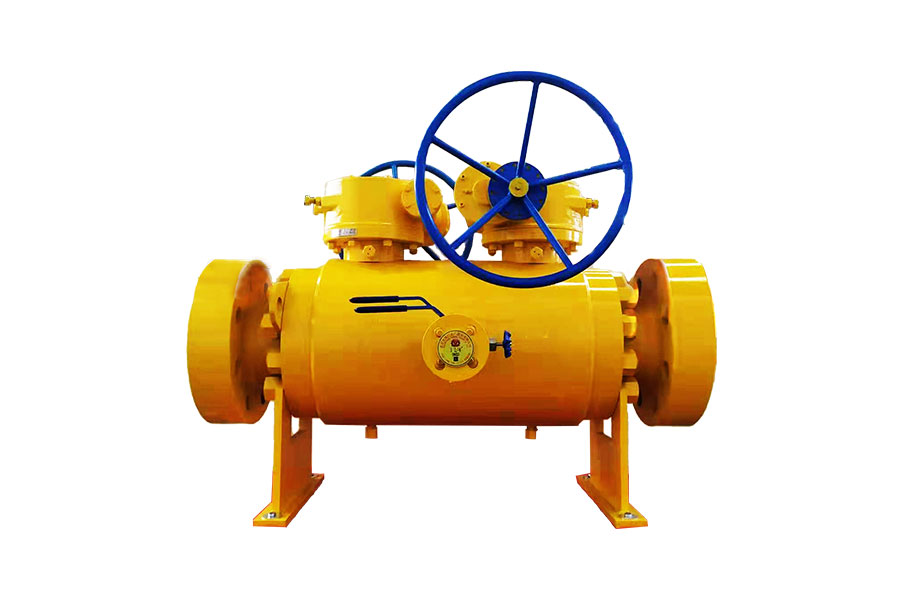
In chemical processing plants, floating ball valves are often used for on-off service in auxiliary lines. Regular inspection schedules focus on detecting early signs of seat degradation caused by chemical exposure. In water treatment facilities, these valves manage distribution and isolation duties, where sediment buildup may necessitate periodic cleaning.
Oil and gas facilities frequently employ floating ball valves in low-pressure utility systems. Here, maintenance strategies emphasize seal integrity and leak detection to ensure safety and environmental compliance. In all cases, isolating the valve from the system and verifying zero pressure before maintenance is a fundamental safety requirement.
Maintenance practices for floating ball valves are evolving alongside broader trends in asset management. Predictive maintenance approaches, supported by actuator torque monitoring and cycle counting, are gaining adoption. These tools help identify abnormal operating conditions before failure occurs.
Material advancements are also influencing maintenance requirements. Improved seat compounds and surface coatings extend service life and reduce sensitivity to temperature and chemical exposure. Modular valve designs that allow in-line seat replacement further simplify maintenance in space-constrained installations.
How often should floating ball valves be maintained?
Maintenance frequency depends on service conditions, but regular inspection aligned with operating cycles is recommended.
Can floating ball valves be repaired in-line?
Some designs allow limited in-line maintenance, but full seat replacement often requires valve removal.
Are floating ball valves suitable for high cycle applications?
They can be used, but high cycle service may accelerate seat wear compared to fixed ball designs.
Maintenance considerations for floating ball valves are closely tied to their pressure-assisted sealing design and material selection. By understanding wear mechanisms, selecting appropriate suppliers, and implementing proactive maintenance strategies, operators can extend valve service life and maintain reliable performance. As monitoring technologies and materials continue to advance, maintenance practices will increasingly shift from reactive intervention to data-driven optimization, supporting safer and more efficient industrial operations.
Contact Person:Max.Song(SongShanshan)
Title:General Manager
Mobile:+86 15611322632
Tell:+86 10 89282693
Email:international@bvmc.com
Address:No. 3, Lvhai Road, Pangezhuang Town, Daxing District, Beijing


Copyright © Beijing Valve General Factory Co., Ltd.
SitemapThis website uses cookies to ensure you get the best experience on our website.




 Phone
Phone