


Long Term Reliability of Triple Offset Butterfly valves
Industry Background and Market Demand
Triple offset butterfly valves have become a critical isolation solution in industries where tight shutoff, high reliability, and long service life are essential. Power generation, oil and gas, petrochemical processing, and large-scale water infrastructure increasingly operate under higher pressures, elevated temperatures, and more aggressive media. In these environments, traditional soft-seated valves often struggle to maintain sealing integrity over time.
As capital projects grow in scale and maintenance windows become shorter, end users place greater emphasis on valves that can deliver predictable performance across decades of operation. Long term reliability is no longer a secondary consideration; it is a primary selection criterion, especially for large diameter systems where replacement costs and downtime are significant.
Core Design Concepts Behind Long Term Reliability
The defining feature of triple offset butterfly valves is the geometric relationship between the disc, shaft, and sealing surface. Unlike concentric or double offset designs, the triple offset configuration introduces a third angular offset that creates a cam-like motion during opening and closing. This ensures that the disc only contacts the seat at the final stage of closure.
This non-rubbing action is fundamental to long term reliability. By eliminating continuous friction between sealing surfaces, wear is significantly reduced, even in high-cycle or high-temperature service. The result is a valve that maintains consistent shutoff performance without relying on elastomeric components that degrade over time.
Product Structure, Materials, and Manufacturing Processes
Triple offset butterfly valves typically feature a metal-to-metal sealing system. The disc is often manufactured from stainless steel or alloy steel, while the seat may incorporate laminated metal layers or hardened sealing rings. These materials are selected to withstand thermal cycling, pressure fluctuations, and corrosive environments.
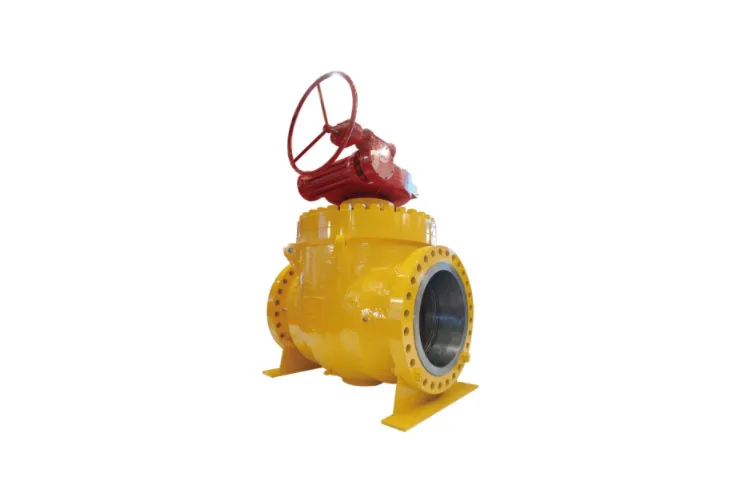
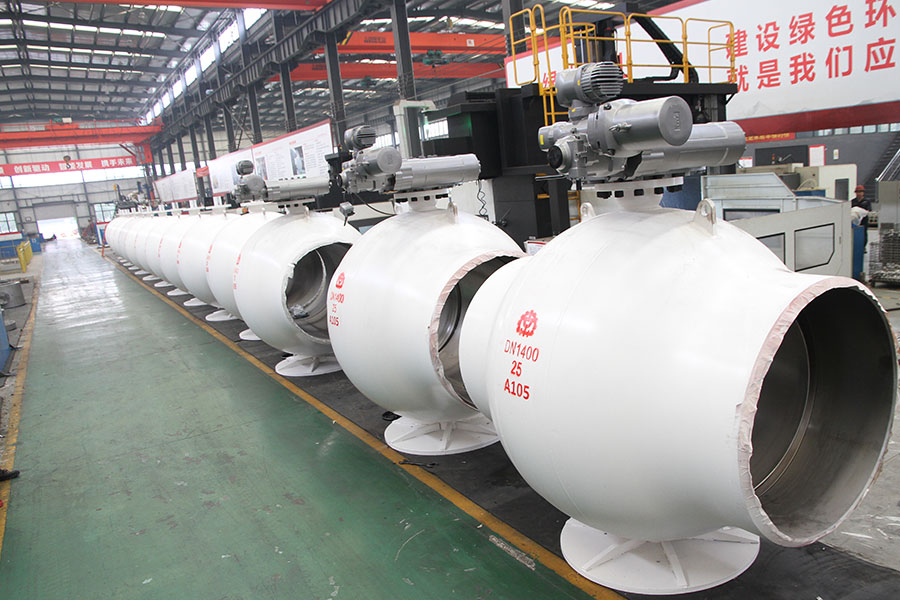
Precision manufacturing plays a crucial role in reliability. Machining tolerances for the offset geometry must be tightly controlled to ensure proper sealing alignment. Advanced CNC machining and automated welding processes are commonly used to maintain consistency across large valve sizes.
Surface treatments such as hardfacing, nitriding, or corrosion-resistant coatings further enhance durability. In many designs, the sealing ring is replaceable, allowing refurbishment without replacing the entire valve body, which supports long-term asset management strategies.
Key Factors Influencing Long Term Performance
Several variables directly affect the Long Term Reliability of Triple Offset Butterfly Valves:
-
Operating temperature range, particularly in thermal cycling applications
-
Pressure class and pressure fluctuations, which influence structural fatigue
-
Media composition, including corrosive elements or particulate content
-
Actuation method and torque control, ensuring proper seating without overloading
-
Installation alignment, as pipeline stresses can distort valve geometry
Valves operating near their design limits require careful specification and commissioning to avoid premature wear or deformation that compromises sealing performance.
Supplier Selection and Quality Assurance Considerations
Choosing qualified suppliers is essential for ensuring long term reliability. Manufacturers should demonstrate experience with large diameter and high-performance butterfly valves, supported by documented testing and quality control procedures. Compliance with recognized standards and clear material traceability are important indicators of manufacturing discipline.
Equally important is the supplier’s ability to provide technical support over the valve’s lifecycle. Access to replacement sealing components, maintenance guidelines, and performance data helps operators plan inspections and avoid unplanned outages. Consistency across production batches is especially critical for projects involving multiple valves installed across large facilities.
Common Challenges and Industry Pain Points
One common misconception is that metal-seated valves are maintenance-free. While triple offset butterfly valves require less frequent intervention than soft-seated designs, they still depend on correct operation and periodic inspection. Improper actuator sizing or excessive closing torque can damage sealing edges over time.
Another challenge is applying these valves outside their intended service envelope. For example, using a triple offset design in throttling applications may expose the sealing surfaces to erosion, reducing long term effectiveness. Clear understanding of isolation versus control duties is necessary during system design.
Application Scenarios and Proven Use Cases
In power plants, triple offset butterfly valves are widely used in steam isolation and cooling water systems, where temperature extremes and pressure changes are routine. Their ability to maintain tight shutoff after repeated thermal cycles makes them well suited for these applications.
In oil and gas facilities, they serve as block valves in large diameter pipelines, particularly where fire-safe performance and zero leakage are required. Water transmission and desalination plants also benefit from their corrosion-resistant materials and stable long-term sealing in continuous service environments.
Trends and Future Development Directions
The future of triple offset butterfly valves is closely tied to advancements in materials science and digital monitoring. Improved alloys and composite sealing technologies are extending service life even further, particularly in aggressive media applications. At the same time, integration with smart actuators and condition monitoring systems enables operators to track torque trends and detect early signs of wear.
Design optimization through simulation tools is also improving reliability by predicting stress distribution and deformation under real-world operating conditions. These developments support a shift toward lifecycle-based valve selection rather than upfront cost comparison alone.
Frequently Asked Questions
How long can triple offset butterfly valves typically operate?
With proper specification and operation, they can remain in service for decades with minimal performance degradation.
Are they suitable for high-cycle applications?
Yes, the non-rubbing sealing design makes them well suited for frequent operation compared to conventional butterfly valves.
Do they require special maintenance?
Maintenance needs are generally low, but periodic inspection and correct actuator settings are essential.
Conclusion
Long term reliability of triple offset butterfly valves is driven by their unique geometric design, robust materials, and precision manufacturing. By minimizing wear at the sealing interface and maintaining structural integrity under demanding conditions, these valves provide dependable isolation over extended service life. When properly specified, installed, and supported by capable suppliers, they represent a proven solution for industries where reliability and lifecycle performance are critical.



 Phone
Phone