


floating ball valve
Floating Ball Valve: Overview and Applications A floating ball valve is a type of quarter-turn valve widely used in industrial and commercial applications to control the flow of liquids, gases, and other fluids. Its design features a spherical ball with a bore (hole) through its center, which rotates to open or close the flow path. The term "floating" refers to the ball's ability to move slightly within the valve body, allowing it to create a tight seal against the valve seats under pressure. Design and Working Principle The floating ball valve consists of several key components: 1. Ball – The spherical disc with a bore that aligns with the flow path when open and blocks it when closed. 2. Seats – Soft (e.g., PTFE, nylon) or metal rings that form a seal with the ball when closed. 3. Stem – A shaft connected to the ball that transmits rotational force from the actuator (handle, gear, or motor). 4. Body – The outer casing, typically made of stainless steel, brass, or other durable materials. When the valve is open, the bore aligns with the pipeline, allowing fluid to pass. When closed, the ball rotates 90 degrees, blocking the flow. The pressure of the fluid pushes the ball against the downstream seat, enhancing the seal. Advantages - Quick Operation – A 90-degree turn fully opens or closes the valve, making it ideal for emergency shut-off. - Reliable Sealing – The floating design ensures tight sealing even under high pressure. - Low Maintenance – Simple construction with minimal moving parts reduces wear. - Versatility – Suitable for a wide range of fluids, including corrosive and high-temperature media. Applications Floating ball valves are commonly used in: - Oil & Gas – Pipeline control, refineries, and storage systems. - Water Treatment – Shut-off and distribution networks. - Chemical Processing – Handling aggressive fluids. - HVAC Systems – Regulating water and refrigerant flow. Limitations - Not Ideal for Throttling – Partial opening can cause seat erosion. - High Torque Requirement – Large-diameter valves may need heavy actuators. Conclusion Floating ball valves offer efficient, reliable flow control in various industries. Their robust design, ease of operation, and strong sealing make them a preferred choice for many applications. Proper material selection and maintenance ensure long-term performance.
Products
Category:
Ball Valve
-
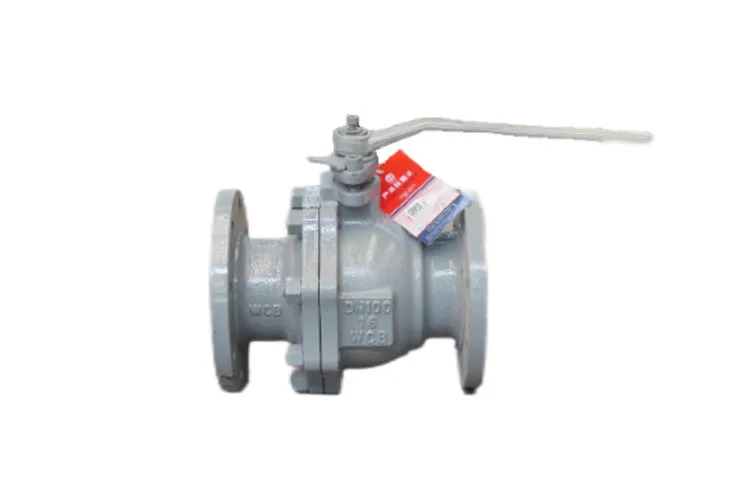
Heavy Duty Industrial Applications Floating Ball Valve
Category: Ball ValveBrowse number:Number:Release time: 2026-10-18 11:55:26The Heavy Duty Industrial Applications Floating Ball Valve is engineered for reliable performance in demanding industrial environments. Designed to handle high-pressure and high-temperature media, this valve features a robust floating ball design that ensures precise flow control and tight sealing. Manufactured from durable corrosion-resistant materials, it withstands abrasive and corrosive fluids, extending service life and minimizing maintenance. Ideal for chemical, petrochemical, oil & gas, and water treatment pipelines, this valve provides efficient operation, leak-free performance, and long-term reliability. Upgrade your industrial pipeline system with the Floating Ball Valve for Heavy Duty Industrial Applications for enhanced safety and operational efficiency.
News
Category:
No search results found!
Case
Category:
No search results found!
Video
Category:
No search results found!
Download
Category:
No search results found!
Job
Category:
No search results found!
Featured Products
No search results found!



 Phone
Phone