


Industry Background and Market Demand
High cycle operations are increasingly common in modern process industries, where valves may open and close thousands of times per year as part of automated control strategies. Oil and gas terminals, petrochemical plants, power generation facilities, and large-scale water systems all require valves capable of frequent actuation without loss of sealing integrity or excessive wear. In these environments, traditional valve designs often struggle to balance durability, torque stability, and long-term reliability.
Fixed ball valves, particularly those with trunnion-mounted configurations, have become a preferred solution for high cycle service. Their ability to distribute mechanical loads and maintain consistent sealing performance makes them well suited to demanding operational profiles.
Core Design Concepts for High Cycle Performance
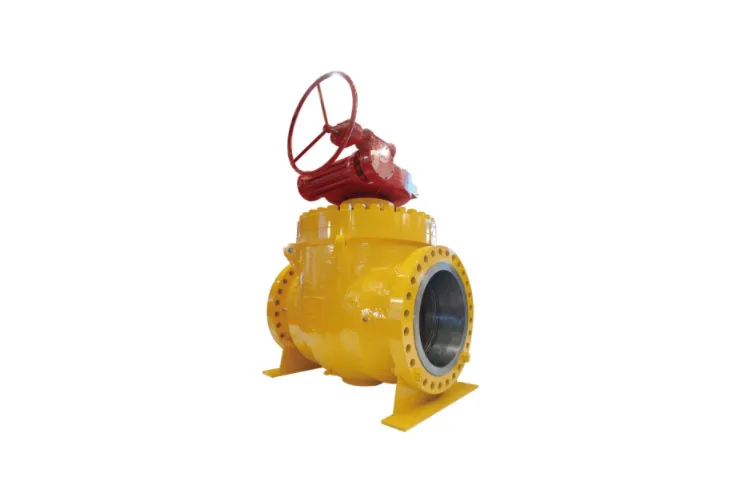
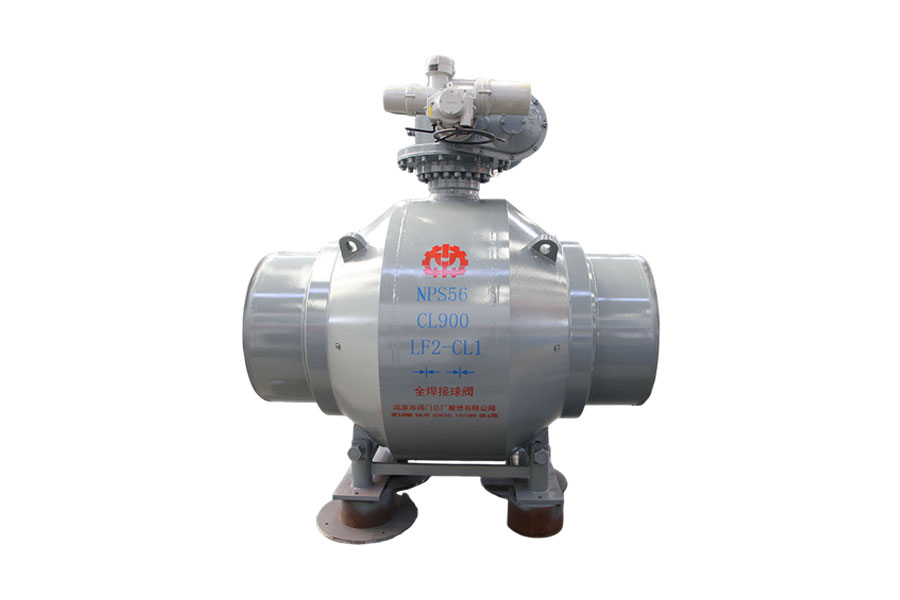
The defining characteristic of a fixed ball valve is that the ball is mechanically supported by trunnions or shafts at both the upstream and downstream ends. Unlike Floating ball designs, the ball remains stationary while the seats move to achieve sealing. This structural arrangement significantly reduces operating torque, especially in larger diameters or higher pressure classes.
For high cycle operations, minimizing friction and wear at every interface is critical. The fixed ball design isolates rotational movement to controlled bearing surfaces, allowing for predictable motion over repeated cycles. This controlled kinematics helps prevent uneven seat wear, galling, and torque escalation that can compromise performance over time.
Product Structure, Materials, and Manufacturing
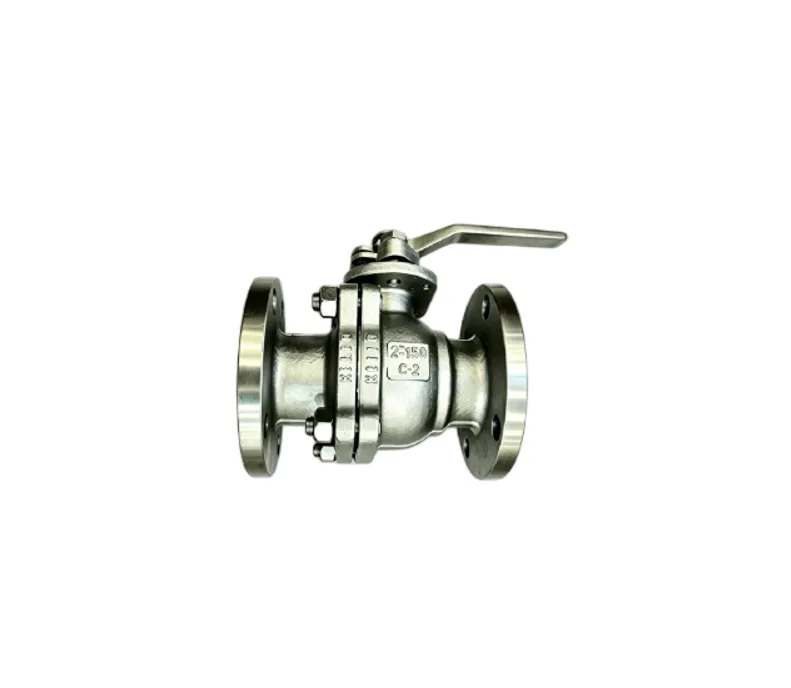
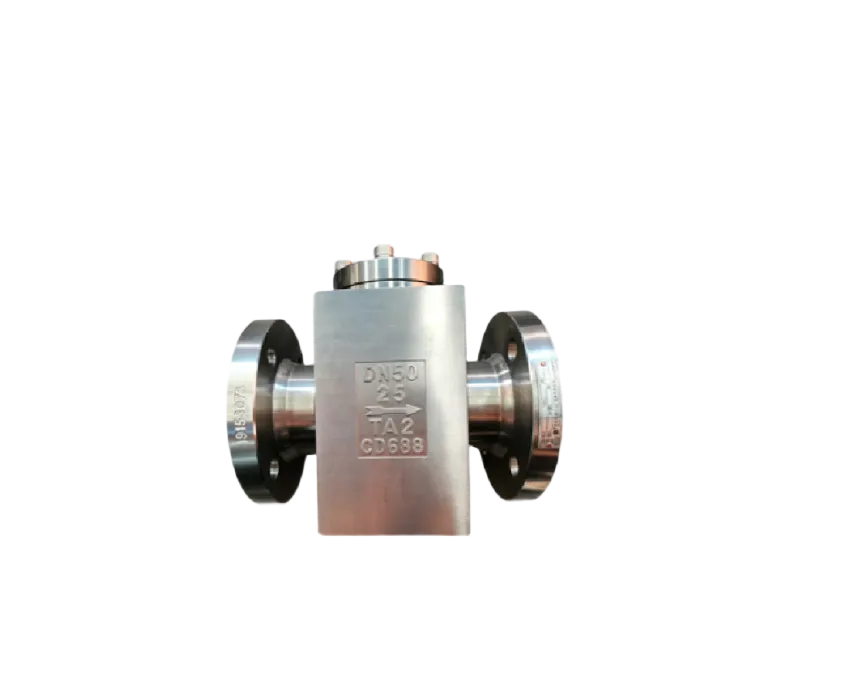
A fixed ball valve typically consists of a valve body, fixed ball, trunnions, seats, stem, bearings, seals, and actuation interface. The body is often manufactured from carbon steel or low alloy steel, with forged construction favored for high-pressure or cyclic service due to its superior grain structure and fatigue resistance.
The ball itself is precision-machined to achieve tight sphericity tolerances, ensuring uniform contact with the seats. Hard-facing or surface coatings may be applied to enhance wear resistance. Seats are selected based on service conditions and may be soft-seated for low torque and tight shutoff, or metal-seated for high temperature or abrasive media.
Bearings play a central role in high cycle durability. Materials such as PTFE-based composites or metal-backed bearings are chosen to maintain low friction under repeated motion. Manufacturing processes emphasize CNC machining, controlled heat treatment, and rigorous inspection to ensure dimensional accuracy and consistency across production batches.
Key Factors Affecting Quality and Performance
Several factors influence the suitability of fixed ball valves for high cycle operations:
-
Bearing design and material selection, which determine friction levels and wear resistance
-
Seat loading mechanism, ensuring consistent sealing force without excessive contact pressure
-
Surface finish quality on the ball and seats, reducing abrasion during cycling
-
Stem sealing systems, preventing leakage despite frequent movement
-
Actuator compatibility, ensuring smooth and repeatable operation under automation
Thermal stability is another important consideration. Temperature fluctuations can alter material properties and clearances, potentially affecting torque and sealing performance if not properly addressed during design.
Supplier Selection and Supply Chain Considerations
When sourcing fixed ball valves for high cycle service, supplier capability must be evaluated beyond basic dimensional compliance. Experienced manufacturers provide documented cycle testing data, demonstrating performance over extended operational simulations. Compliance with standards such as API 6D and ISO 14313 indicates adherence to recognized design and testing practices.
Material traceability, quality management systems, and consistent production controls are essential to ensure repeatable performance across multiple valves. For automated systems, suppliers that offer integrated valve-actuator packages and technical support during commissioning can significantly reduce operational risk.
Common Industry Challenges and Pain Points
One common issue in high cycle applications is torque increase over time. This often results from inadequate bearing design or seat wear, leading to actuator overload or control instability. Another challenge is maintaining stem seal integrity under frequent movement, particularly in applications involving pressure cycling or corrosive media.
Improper specification can also undermine performance. Selecting a valve designed primarily for static isolation, rather than frequent cycling, may lead to premature wear and unplanned maintenance.
Application Scenarios and Use Cases
In LNG terminals and storage facilities, fixed ball valves are used for frequent isolation and flow switching operations, where low torque and reliable sealing are essential. Petrochemical plants employ these valves in process control loops that demand rapid response and consistent performance over long operating periods.
Water distribution systems with automated pumping stations also benefit from fixed ball valve designs, particularly where valves are actuated multiple times per day to balance network demand. In power generation, auxiliary systems rely on high cycle valves to manage startup, shutdown, and load changes.
Current Trends and Future Developments
The evolution of fixed ball valve design is closely tied to advances in automation and digitalization. Smart actuators and positioners are increasingly integrated with valves to monitor cycle count, torque trends, and seal condition. This data enables predictive maintenance strategies that extend service life and reduce downtime.
Material innovation continues to enhance high cycle performance. Advanced coatings, improved bearing materials, and optimized seat designs are reducing friction and wear even further. Manufacturers are also leveraging finite element analysis and fatigue modeling to refine structural components for long-term cyclic loading.
Frequently Asked Questions
Are fixed ball valves better than floating ball valves for high cycle service?
In most cases, yes. Fixed ball designs offer lower and more stable operating torque, making them better suited for frequent actuation.
Do high cycle valves require special maintenance?
While designed for durability, regular inspection and monitoring of torque and sealing performance help maximize service life.
Can fixed ball valves handle both high pressure and high cycling?
Yes, when properly designed and specified, they are well suited to combine high pressure capability with frequent operation.
Conclusion
Fixed Ball Valve Design for High Cycle Operations addresses the growing need for reliable, low-torque, and durable valve solutions in automated industrial systems. Through robust structural support, optimized bearing and seat design, and precision manufacturing, these valves deliver consistent performance under repeated actuation. As industries continue to automate and increase operational intensity, fixed ball valves will remain a critical component in achieving safe, efficient, and long-lasting flow control.



 Phone
Phone