


Industry Background and Market Demand
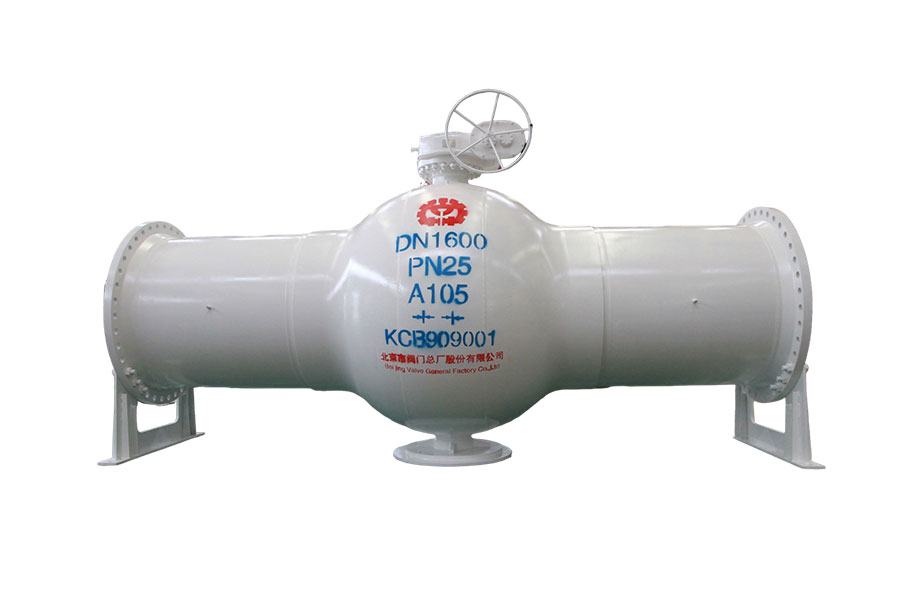
Large bore valves are essential components in modern infrastructure, supporting the safe and efficient transport of water, oil, gas, steam, and industrial fluids across long distances. As pipeline diameters increase to accommodate higher flow capacities, valves must scale in size without sacrificing reliability or control. Municipal water transmission, oil and gas pipelines, power generation, desalination, and large HVAC networks all depend on large bore valves to manage isolation and flow regulation under demanding conditions.
Market demand has shifted toward valves that offer long service life, predictable performance, and reduced total cost of ownership. Operators increasingly expect large bore valves to operate reliably with minimal maintenance, even in environments characterized by pressure cycling, temperature variation, and limited access for inspection or repair.
Core Concepts and Engineering Challenges
The primary engineering challenge in large bore valve design is managing scale. As valve size increases, mechanical loads, sealing forces, and operating torque rise disproportionately. Structural rigidity must be maintained while preventing excessive weight and stress concentration. Flow dynamics also become more complex, as large cross-sectional areas can amplify turbulence, vibration, and uneven pressure distribution.
Another core concept is balancing sealing performance with operability. Tight shutoff requires sufficient contact pressure at the seat, but excessive friction can lead to high torque, actuator oversizing, or operational failure. Engineering solutions must address both requirements simultaneously.
Valve Structures, Performance, and Manufacturing
Large bore valves include gate, ball, and butterfly configurations, each presenting distinct structural and performance considerations.
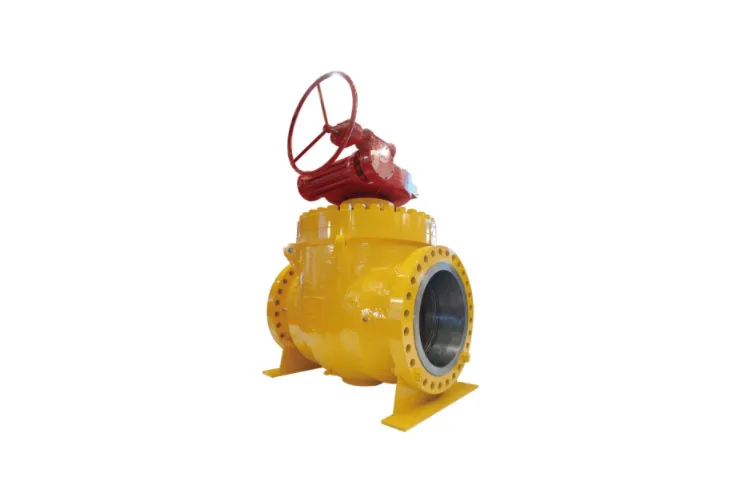
Gate valves provide a full-bore flow path, minimizing pressure loss when fully open. However, their linear motion and heavy internal components demand robust stem guidance and precise wedge-seat alignment. Butterfly valves, particularly double and triple offset designs, offer compact structures and lower weight, making them attractive for large diameters. ball valves, especially trunnion mounted designs, deliver reliable sealing but require careful load distribution to manage the mass of the ball.
Material selection is critical. Valve bodies are commonly produced from ductile iron, carbon steel, or low alloy steel, depending on pressure and temperature requirements. Internal components may use stainless steel or hard-faced alloys to resist wear and corrosion. Manufacturing large bore valves involves complex casting or forging processes, followed by extensive machining to achieve tight tolerances on sealing surfaces. Non-destructive testing, including radiography and ultrasonic inspection, ensures structural integrity at scale.
Factors Influencing Quality and Performance
Several factors directly influence the performance of large bore valves. Machining accuracy affects concentricity and alignment, which in turn impacts sealing and torque consistency. Surface finish quality on seats and discs determines friction behavior and wear rates. Material compatibility with the conveyed media influences corrosion resistance and long-term reliability.
Installation conditions also play a major role. Improper flange alignment or uneven bolting can distort the valve body, leading to leakage or increased operating torque. In large systems, thermal expansion of pipelines introduces additional stresses that must be accommodated by valve design.
Supply Chain and Supplier Selection Criteria
Selecting suppliers for large bore valves requires a rigorous, engineering-focused approach. Manufacturers should demonstrate experience with large-diameter projects and provide documented compliance with recognized standards such as API, ISO, and ASME. Material traceability, quality management systems, and comprehensive testing procedures are essential indicators of supplier reliability.
Beyond manufacturing capability, logistical considerations are significant. Large bore valves involve complex transportation, handling, and on-site installation requirements. Suppliers with integrated project support, including packaging, lifting guidance, and commissioning assistance, reduce risk during execution.
Common Problems and Industry Pain Points
One of the most common issues with large bore valves is excessive operating torque. This can result from poor design, inadequate bearing systems, or debris accumulation in the flow path. Leakage at the seat or stem is another frequent concern, often caused by wear, misalignment, or material degradation over time.
Maintenance access presents additional challenges. Due to their size and location, large bore valves may be difficult to inspect or repair without significant downtime. In critical pipelines, valve failure can disrupt entire networks, amplifying the impact of even minor defects.
Application Scenarios and Engineering Solutions
In municipal water transmission, large bore butterfly valves are often selected for their low weight and reduced installation footprint. Engineering solutions focus on optimizing disc profiles to minimize head loss and vibration. In oil and gas pipelines, trunnion Mounted Ball valves are used for high-pressure isolation, with reinforced supports and advanced sealing systems to manage axial loads.
Power generation facilities employ large bore gate valves for steam isolation, where flexible wedge designs accommodate thermal expansion and reduce the risk of jamming. In desalination plants, corrosion-resistant materials and coatings are essential to withstand aggressive media while maintaining sealing integrity.
Current Trends and Future Developments
Advances in computational fluid dynamics are enabling more refined valve designs, allowing engineers to predict flow behavior and optimize geometry before manufacturing. Digital monitoring systems are increasingly integrated into actuators, providing real-time feedback on torque, position, and operating cycles. This data supports predictive maintenance strategies, reducing unplanned downtime.
Material innovation is also shaping the future of large bore valves. Improved alloys and surface treatments are extending service life in abrasive and corrosive environments. At the same time, sustainability considerations are driving interest in lighter designs that reduce material usage and installation energy.
Frequently Asked Questions
Why do large bore valves require special engineering attention?
Their size magnifies mechanical, thermal, and hydraulic challenges that are less critical in smaller valves.
Which valve type is best for large diameter applications?
The optimal choice depends on pressure, temperature, media, and space constraints; no single design suits all applications.
How can maintenance challenges be reduced?
Proper design selection, quality manufacturing, and condition monitoring significantly reduce maintenance frequency.
Conclusion
Large bore valve challenges stem from the complex interaction of scale, operating conditions, and long-term reliability requirements. Through thoughtful engineering solutions—ranging from optimized structures and materials to advanced monitoring technologies—manufacturers and operators can address these challenges effectively. As infrastructure systems continue to expand, the role of well-engineered large bore valves will remain central to safe, efficient, and resilient fluid transport networks.



 Phone
Phone