

Large diameter oil and gas pipelines are foundational to global energy infrastructure, transporting crude oil, refined products, natural gas, and condensates across regions and continents. As projects expand in scale to meet rising energy demand and connect remote production sites to processing hubs, the choice of Pipeline Valves has become both an operational and economic priority. Valves in these systems must deliver reliable isolation, precise flow control, and minimal maintenance over decades of service. Given the scale of investment and the critical nature of hydrocarbon transport, engineering teams emphasize performance criteria that extend beyond basic functionality, including long-term integrity, safety compliance, and lifecycle efficiency.
Valves in large diameter pipelines serve multiple functions: isolation, flow regulation, and emergency shutoff. Isolation valves, such as gate and plug valves, are designed to provide a tight seal when closed, limiting leakage and enabling maintenance. Control valves, including specialized ball and butterfly variants, adjust flow rates to match operational requirements. Key technologies influencing valve effectiveness include sealing mechanisms, actuation systems, and fluid dynamics optimization. For instance, the interaction between seat materials and sealing surfaces determines leakage performance, while actuators convert control signals into reliable mechanical motion under varying pressure conditions.
Gate Valves:
Gate valves employ a wedge-shaped element that moves perpendicular to the flow path to isolate fluid. For large diameters, solid wedge and flexible wedge designs are common. Solid wedges offer robust sealing in clean service, while flexible wedges accommodate minor misalignments and thermal expansion, reducing stress at the sealing interface.
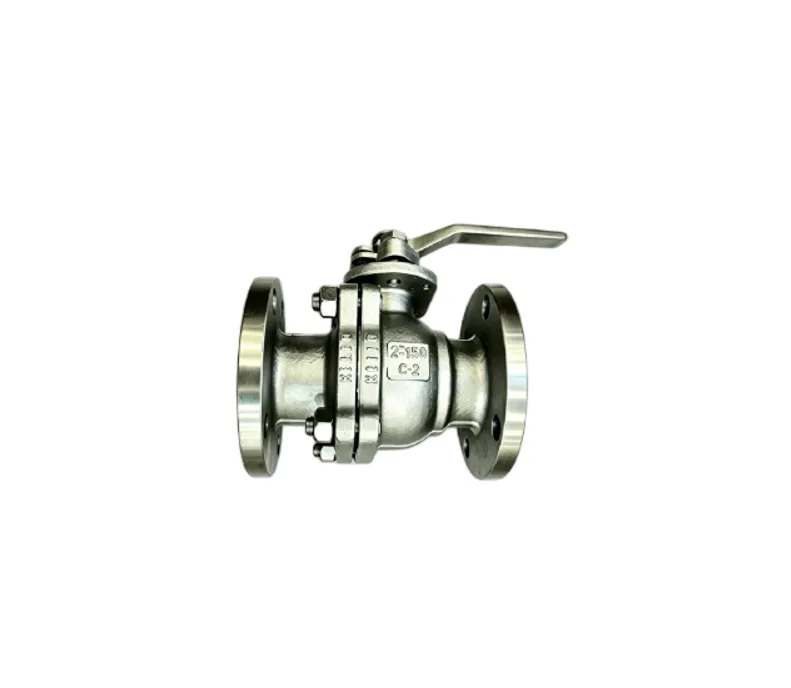
ball valves:
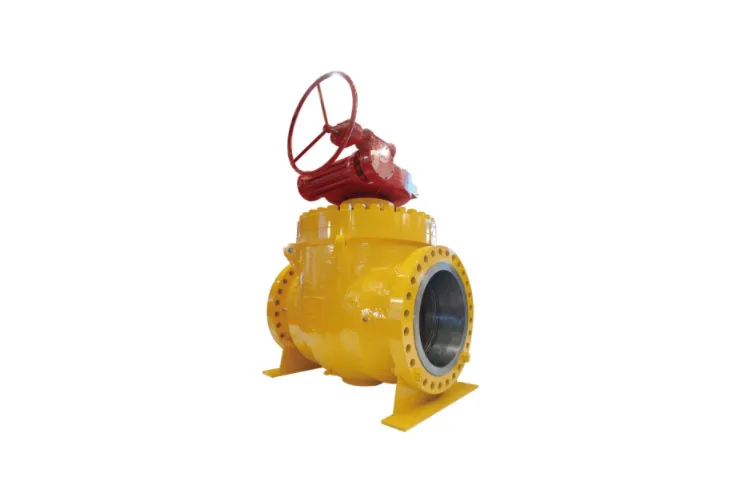
trunnion Mounted Ball valves are suitable for high-pressure pipelines due to reduced torque requirements and reliable sealing. The trunnion arrangement supports the ball at both ends, decreasing friction during operation. Floating ball designs may be more compact but can generate higher torque in large sizes, making them less favorable for very large pipelines.
Butterfly valves:
Double and triple offset butterfly valves provide low-pressure loss and fast operation. Triple offset designs further isolate the sealing surfaces through geometric offsets, improving seat life and achieving consistent sealing under variable conditions. The disc’s aerodynamics and body contour are engineered to minimize turbulence and energy loss.
Materials for these valves include carbon steels (e.g., ASTM A216 WCC) and low alloy steels for bodies and bonnets, with trim materials selected for corrosion resistance and wear performance (e.g., stainless steels, hard-faced alloys). Manufacturing high-integrity large diameter valves involves precision casting or forging, CNC machining for critical surfaces, and non-destructive testing (NDT) to verify structural soundness.
Performance in large diameter pipeline valves depends on several interrelated factors. Sealing integrity is paramount; poor sealing leads to leakage, product loss, and environmental risk. Precision in machining and alignment minimizes vibration and uneven wear, particularly crucial in control applications where partial openings are common. Material compatibility with transported media and operating conditions (pressure, temperature, and contaminants) directly influences corrosion resistance and long-term reliability.
Actuator sizing and control logic are equally important. Undersized actuators can fail to overcome operational friction, especially in cold climates where material stiffness increases. Conversely, oversized actuators may introduce excessive force, leading to premature component wear.
Selecting suppliers for valves in large diameter oil and gas pipelines requires rigorous technical evaluation. Procurement teams prioritize vendors with documented compliance to international standards such as API (American Petroleum Institute), ISO (International Organization for Standardization), and ASME (American Society of Mechanical Engineers). Traceability of materials, documented quality management systems (e.g., ISO 9001), and thorough testing records (pressure tests, NDT reports) are essential criteria.
In addition to certifications, supplier experience in similar projects, technical support capabilities, and an established global service network influence selection. For critical pipeline assets, extended warranties and spare parts availability are practical considerations that mitigate long-term operational risks.
One recurring challenge in large diameter pipelines is sealing consistency under fluctuating temperatures and pressures. Thermal expansion can distort sealing surfaces in metal seated valves, increasing leakage risk. Hydrate formation and wax deposition in colder environments introduce flow restrictions that complicate valve operation and increase torque demands.
Installation and maintenance logistics pose additional challenges due to valve size and weight. Coordinating lifting equipment, ensuring proper alignment, and maintaining worker safety in remote locations require detailed planning and specialized tooling.

In offshore pipeline projects, trunnion mounted ball valves are often utilized for subsea isolation due to their stable sealing under high hydrostatic pressure. Onshore crude oil transmission lines, spanning hundreds of miles, commonly employ large gate valves with flexible wedges to accommodate temperature variations and reduce sealing stress.
High-capacity natural gas pipelines benefit from triple offset butterfly valves in compressor station bypass lines where fast operation and predictable pressure loss are critical. Refined product terminals use a combination of ball and butterfly valves to manage multiple flow paths with minimal footprint.
The industry is witnessing increasing adoption of smart valve technologies that integrate sensors for real-time health monitoring. Embedded diagnostics facilitate predictive maintenance by tracking parameters such as torque fluctuation, temperature, and seal leakage. Digital twin models are also being developed for critical assets, allowing engineers to simulate and optimize valve behavior in response to system changes.
Advanced materials, including composite seats and hardened alloys, are improving resistance to abrasive media and extending service intervals. Environmental regulations and sustainability goals are prompting operators to prioritize low-leakage solutions that reduce fugitive emissions and product loss.
What valve type is best for high-pressure oil pipelines?
Trunnion mounted ball valves are often preferred due to their balanced support and reduced torque requirements, ensuring reliable shutoff in high-pressure applications.
How do valve sizes affect performance in large pipelines?
As valve size increases, maintaining sealing precision and managing torque become more challenging, requiring robust design and actuator selection.
Can butterfly valves provide isolation in large pipelines?
Advanced butterfly valves, especially triple offset designs, can achieve effective isolation with low pressure loss, but suitability depends on specific operational conditions.
Selecting the Best Valve Types for Large Diameter Oil and Gas Pipelines involves a comprehensive evaluation of mechanical design, sealing technology, material compatibility, supplier capabilities, and operational demands. By aligning valve performance with system requirements and embracing emerging technologies, operators can enhance safety, reduce lifecycle costs, and optimize asset performance across the full span of energy infrastructure projects.
Contact Person:Max.Song(SongShanshan)
Title:General Manager
Mobile:+86 15611322632
Tell:+86 10 89282693
Email:international@bvmc.com
Address:No. 3, Lvhai Road, Pangezhuang Town, Daxing District, Beijing


Copyright © Beijing Valve General Factory Co., Ltd.
SitemapThis website uses cookies to ensure you get the best experience on our website.




 Phone
Phone