

Gate valves remain a primary isolation solution in water, power generation, oil and gas, and process industries due to their full-bore flow path and low pressure loss when fully open. However, as pipeline diameters increase and operating conditions become more variable, traditional solid wedge gate valves have shown limitations—most notably the risk of valve jamming. Jamming can lead to unplanned shutdowns, costly maintenance, and safety concerns, particularly in systems exposed to thermal cycling or pressure fluctuations.
To address these challenges, the flexible wedge design has gained wider adoption. End users and engineering contractors increasingly specify flexible wedge gate valves to improve operational reliability, especially in applications where temperature changes, line stress, or minor misalignment are unavoidable.
Gate valve jamming typically occurs when the wedge becomes stuck between the seat rings, preventing full opening or closing. This is often caused by thermal expansion, pipeline distortion, or uneven seat loading. In solid wedge designs, the rigid geometry transfers these stresses directly to the sealing surfaces. As temperature rises, the wedge and body expand at different rates, increasing friction and potentially locking the wedge in place.
The flexible wedge design addresses this issue by allowing controlled deformation. Instead of acting as a single rigid component, the wedge can adapt slightly to changes in geometry, reducing the risk of excessive contact pressure that leads to seizure.
A flexible wedge is typically machined with a circumferential groove or a reduced cross-section around its perimeter. This engineered flexibility allows the wedge faces to move independently to a limited degree. When temperature or pressure changes cause the valve body or seats to shift, the wedge can flex to maintain sealing contact without generating excessive stress.
This controlled flexibility does not compromise sealing performance. On the contrary, it helps ensure more uniform contact between the wedge and seats, even when operating conditions deviate from ideal alignment. As a result, the valve maintains reliable shutoff while remaining operable after extended service.
Structurally, a flexible wedge gate valve retains the same fundamental components as a solid wedge valve: body, bonnet, wedge, stem, seat rings, and packing system. The difference lies primarily in the wedge geometry and, in some cases, material selection.
Flexible wedges are commonly manufactured from carbon steel or stainless steel, depending on service conditions. In higher temperature applications, materials with stable mechanical properties and predictable thermal expansion behavior are preferred. Hard-facing alloys may be applied to sealing surfaces to enhance wear resistance and reduce galling.
Manufacturing precision is critical. The groove or flexible section must be machined accurately to achieve the intended deformation range without introducing weak points. Quality-controlled heat treatment ensures consistent material properties, while non-destructive testing verifies structural integrity before assembly.
Several factors determine how effectively a flexible wedge design prevents gate valve jamming:
Thermal expansion compatibility between wedge, seat, and body materials
Machining accuracy of wedge faces and seat rings
Surface finish quality, which affects friction and wear
Stem alignment and guidance, ensuring axial movement without side loading
Operating torque margins, particularly for motor-operated valves
Improper installation can undermine even the best design. Excessive pipeline stress or misaligned flanges can distort the valve body, increasing the risk of operational issues.
From a procurement perspective, not all flexible wedge gate valves deliver the same performance. Buyers should evaluate suppliers based on technical documentation, manufacturing capability, and project experience. Reputable manufacturers provide clear design drawings, material certificates, and test reports, including hydrostatic and seat leakage tests.
Compliance with standards such as API 600, API 602, or ISO equivalents is essential. Additionally, traceability of materials and consistency in production processes contribute directly to long-term reliability. For critical applications, suppliers with proven references in similar service conditions offer reduced project risk.
Despite their advantages, flexible wedge gate valves are sometimes misunderstood. One common misconception is that flexibility implies weakness. In reality, the design balances strength and adaptability, provided manufacturing quality is maintained.
Another issue arises when valves are specified correctly but operated improperly. For example, leaving a gate valve partially open for throttling can accelerate wear and negate the benefits of flexible wedge design. Infrequent operation in stagnant systems can also lead to debris accumulation, increasing operating torque regardless of wedge type.
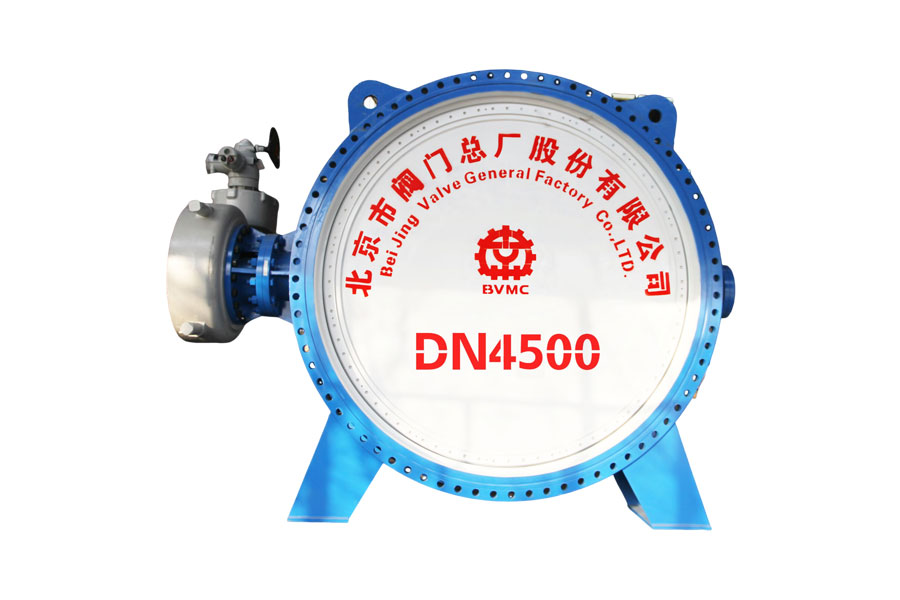
Flexible wedge gate valves are widely used in steam systems within power plants, where frequent temperature changes occur during startup and shutdown cycles. Their ability to accommodate thermal expansion reduces the risk of seizure after cooling.
In municipal water networks, flexible wedge valves handle varying pressure conditions and pipeline movement caused by ground settlement. Oil and gas pipelines also benefit from flexible wedge designs, particularly in above-ground installations exposed to ambient temperature swings.
Industrial process plants often specify flexible wedge gate valves for isolation duties where process temperatures fluctuate or where precise alignment cannot be guaranteed over time.
The industry is moving toward enhanced wedge designs that combine flexibility with advanced surface engineering. Improved coatings and hard-facing techniques are reducing friction and extending service life. Digital monitoring of valve torque and stem movement is also gaining traction, enabling early detection of abnormal operating conditions before jamming occurs.
From a design perspective, finite element analysis is increasingly used to optimize wedge flexibility and stress distribution. This data-driven approach allows manufacturers to tailor designs for specific pressure and temperature ranges, further improving reliability.
Does a flexible wedge gate valve seal as well as a solid wedge valve?
Yes. When properly manufactured, flexible wedge designs provide equivalent or improved sealing due to more uniform seat contact.
Are flexible wedge gate valves suitable for high-pressure service?
They are commonly used in high-pressure applications, provided materials and design standards match the service conditions.
Can flexible wedge valves eliminate all jamming risks?
They significantly reduce the risk, but correct installation, operation, and maintenance remain essential.
Flexible wedge design plays a critical role in preventing gate valve jamming by accommodating thermal expansion, pressure variation, and minor misalignment. Through thoughtful engineering, precise manufacturing, and proper application, flexible wedge gate valves offer a reliable solution for industries seeking long-term operational stability. As systems grow larger and operating conditions more demanding, this design approach continues to demonstrate clear value in maintaining valve operability and reducing lifecycle costs.
Contact Person:Max.Song(SongShanshan)
Title:General Manager
Mobile:+86 15611322632
Tell:+86 10 89282693
Email:international@bvmc.com
Address:No. 3, Lvhai Road, Pangezhuang Town, Daxing District, Beijing


Copyright © Beijing Valve General Factory Co., Ltd.
SitemapThis website uses cookies to ensure you get the best experience on our website.




 Phone
Phone