

Fixed ball valve vs floating ball valve: Key Differences
In the extensive and evolving world of Industrial Valves, two terms frequently surface, particularly when discussing ball valves: fixed ball valves and Floating ball valves. These components are essential across numerous industries, from oil and gas to water treatment, but understanding their differences and specific applications requires a deeper dive into their unique characteristics and operational functionalities.
Industry Background and Market Demand
The global ball valve market is expected to experience significant growth, driven by an increasing demand for automation in the process industries and a rising need for products capable of handling severe operating conditions. Ball valves are favored in various sectors due to their reliability, simplicity, and durability. However, with advancements in technology and varying operational requirements, it’s crucial to choose the appropriate type of ball valve for a given application—hence the significance of understanding the differences between fixed and floating ball valves.
Core Concepts and Key Technologies
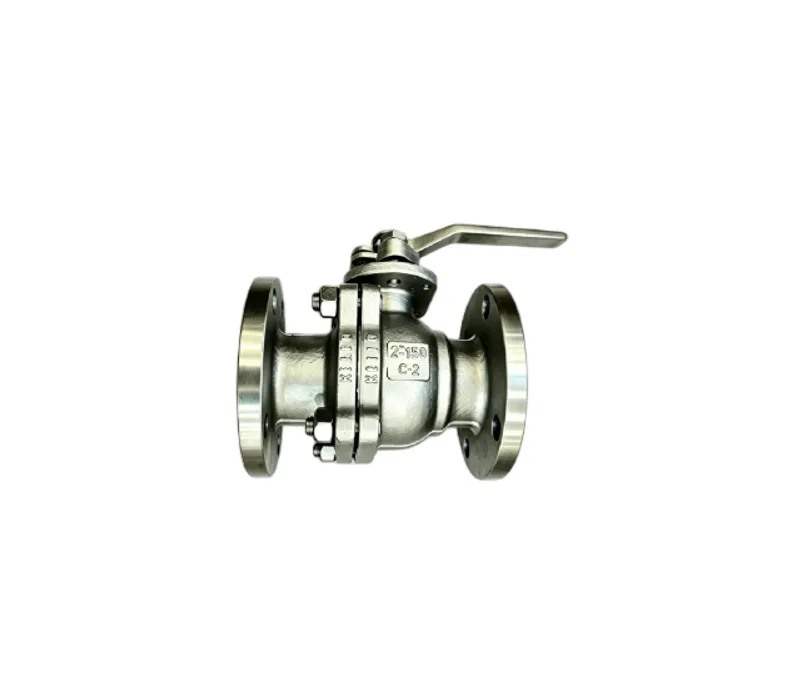
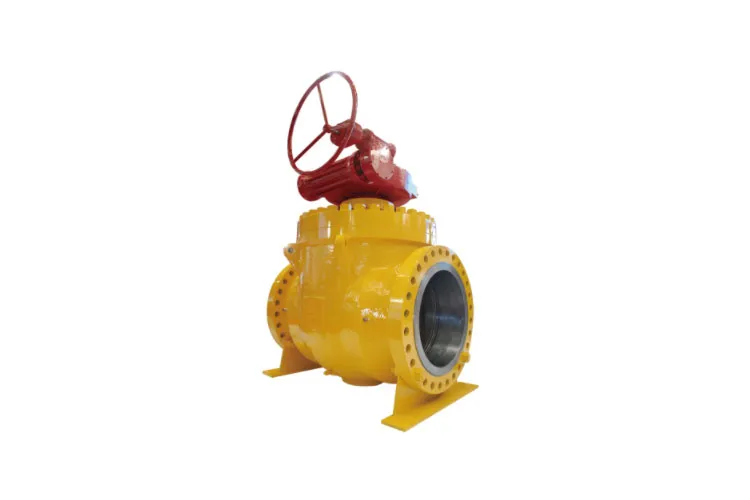
Fixed Ball Valves, also known as trunnion ball valves, have a pivotal support system that anchors the valve’s ball in place. This system reduces the amount of torque required to operate the valve, making it suitable for high-pressure applications. In contrast, Floating Ball Valves do not have this anchoring mechanism. Instead, the ball is held in place by the compression of two elastomeric seats, allowing it to ‘float’ slightly downstream to create a tight seal in response to line pressure.
Product Structure, Performance, Materials, and Manufacturing Process
The architecture of fixed ball valves includes a shaft at the top and bottom of the ball for support, differentiating them structurally from their floating counterparts. This design is beneficial in large-scale applications due to its ability to handle higher pressures and temperatures. Floating ball valves, typically suitable for low to medium pressure systems, rely on fluid pressure to create a seal, which can simplify the valve’s design and reduce production costs.
Materials play a critical role in the performance of both types of valves. Manufacturing processes for these valves typically use materials like stainless steel, cast iron, and PVC. Each material brings different strengths, such as corrosion resistance or high-temperature endurance, influencing the valve’s suitability for different environments.
Key Factors Affecting Quality or Performance
Key performance determinants include the valve’s material, the sealing technology employed, and the precision of the manufacturing process. For fixed ball valves, additional factors include the integrity of the trunnion support system and the effectiveness of bearings and seals in managing operational pressures. For floating ball valves, the seat design and quality are paramount to ensuring an effective seal and reducing wear over time.
Supply Chain or Supplier Selection Standards
When selecting suppliers, industries often prioritize those that demonstrate a comprehensive understanding of material science, possess advanced manufacturing capabilities, and offer customization to address specific operational needs. Additionally, compliance with international standards like ISO is typically a fundamental criterion, ensuring reliability and safety.
Common Issues or Industry Pain Points
Frequent issues with ball valves include seal failure, especially at high pressures or temperatures, and wear and tear due to repeated operation. In floating valves, incorrect installation or improper application can lead to leaks or operational inefficiency. For fixed ball valves, the complexity and cost can become an issue if not properly aligned with application requirements.
Application Scenarios and Industry Use Cases
Floating ball valves are often found in applications where space is constrained, and cost efficiency is vital, such as in smaller-scale water systems and low-pressure gas pipelines. Fixed ball valves are predominant in the oil and gas industry, particularly in areas where the conditions are extreme, and the stakes of valve failure are high.
Current Trends and Future Directions
With increasing environmental and safety standards, there is a growing focus on valves that can withstand extreme climates, pressures, and corrosive environments. Innovations in materials, such as the use of advanced polymers and composite materials, are likely to enhance the durability and efficiency of both fixed and floating ball valves. Furthermore, as industries embrace digital transformation, smart valve technology integrating IoT capabilities is expected to play a pivotal role in predictive maintenance and process optimization.
Frequently Asked Questions (FAQ)
Q1: Which type of ball valve is more suitable for high-pressure applications?
A1: Fixed ball valves are typically more suitable for high-pressure scenarios due to their trunnion-mounted design, which offers greater stability and reduced operating torque.
Q2: Can floating ball valves handle high-temperature conditions?
A2: While they can manage moderate temperature environments, floating ball valves might not perform well under extreme temperatures compared to fixed ball valves, which can be constructed to handle such conditions more effectively.
Q3: How does the choice between fixed and floating ball valves impact maintenance?
A3: Floating ball valves generally require less maintenance due to their simpler design but might necessitate more frequent replacements if used improperly. Fixed ball valves, although demanding higher maintenance for their complex structure, often offer longer operational lifetimes in heavy-duty settings.
In conclusion, understanding the key differences between fixed and floating ball valves is essential for choosing the right valve for your specific application. As technology and industry demands evolve, both variants will continue to adapt, ensuring they meet modern standards for efficiency, safety, and functionality.
Contact Person:Max.Song(SongShanshan)
Title:General Manager
Mobile:+86 15611322632
Tell:+86 10 89282693
Email:international@bvmc.com
Address:No. 3, Lvhai Road, Pangezhuang Town, Daxing District, Beijing


Copyright © Beijing Valve General Factory Co., Ltd.
SitemapThis website uses cookies to ensure you get the best experience on our website.




 Phone