
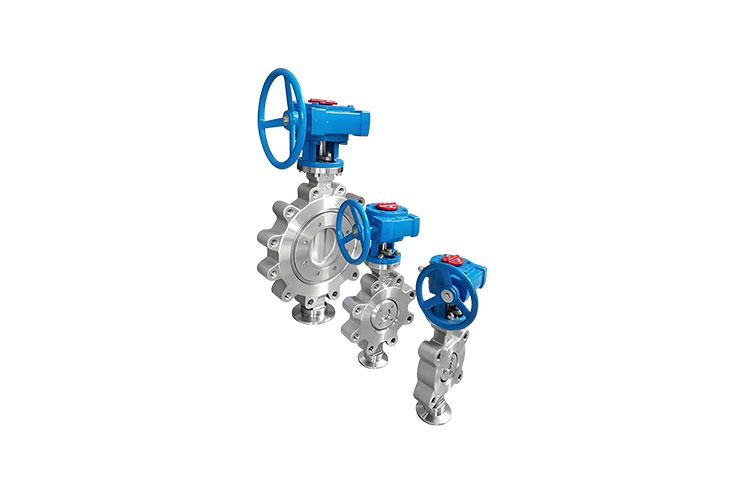
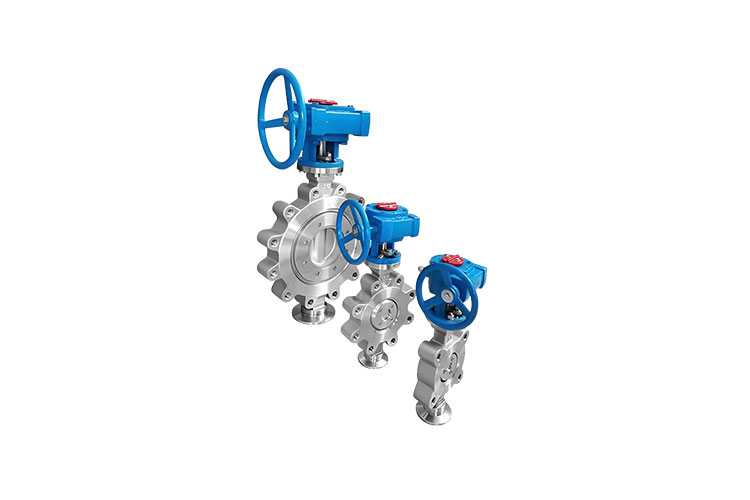
Corrosion Resistant Lug Butterfly valve
The Corrosion Resistant Lug Butterfly Valve is a specialized flow control device designed for industrial pipeline systems handling highly corrosive media. Through optimized material selection and anti-corrosion structural design for the valve body and disc, it effectively resists attack from acids, alkalis, salt spray, and strong oxidizing agents. These valves are widely used in corrosive environments such as chemical processing, electroplating, pharmaceuticals, and wastewater treatment.
Core Structure and Anti-Corrosion Design
The valve body and disc are manufactured from corrosion-resistant alloys such as 316L stainless steel, Hastelloy, or titanium alloys. Alternatively, carbon steel bodies can be lined with plastic materials (PO, PTFE) or rubber linings (fluororubber, butyl rubber) to isolate corrosive media from the metal substrate. Valve seats are configured with corrosion-resistant soft seals (PTFE, PFA) or hard alloy seals, depending on the sealing and operating requirements.
The valve structure is typically centerline or eccentric in design, with smooth flow paths and no dead zones to prevent localized corrosion caused by media retention. The stem is made of stainless steel with surface passivation treatment and is combined with corrosion-resistant packing and a blowout-proof structure to prevent leakage along the stem. An anti-static grounding device is also provided to eliminate the risk of static electricity accumulation.
Key Advantages in Corrosion Resistance and Performance
Exceptional Corrosion Resistance: Lined or rubber-lined valves withstand strong acids and alkalis such as sulfuric acid, hydrochloric acid, and sodium hydroxide, as well as saline solutions and organic solvents. Alloy versions are suitable for high-temperature, highly corrosive media. Service life can be 5–10 times longer than standard butterfly valves.
Reliable Sealing Performance: Soft-seated models achieve API 6D Class VI leakage rating, providing near-zero leakage for toxic or hazardous media isolation. Metal-seated models withstand high temperature and pressure, meeting ISO 15848 Class B leakage standards for complex corrosive applications.
High Adaptability: Nominal diameters range from DN50 to DN2000. Connection options include flanged and wafer types. Actuation options include manual, pneumatic, and electric drives. Electric actuators with intelligent positioners enable precise flow control and integration into automated production lines.
Easy Maintenance: Modular design allows online replacement of seats and discs without removing the valve from the pipeline. Lining materials resist aging and deformation, significantly reducing maintenance costs and downtime.
Typical Applications
Corrosion-resistant butterfly valves are commonly used in chemical pipelines for acid and alkali transfer, electroplating wastewater treatment systems containing chromium, pharmaceutical raw material feed lines, seawater desalination and brine transport pipelines, and municipal wastewater treatment facilities for acid and alkali neutralization processes. They provide reliable flow isolation and control in highly corrosive environments.
Contact Person:Max.Song(SongShanshan)
Title:General Manager
Mobile:+86 15611322632
Tell:+86 10 89282693
Email:international@bvmc.com
Address:No. 3, Lvhai Road, Pangezhuang Town, Daxing District, Beijing


Copyright © Beijing Valve General Factory Co., Ltd.
SitemapThis website uses cookies to ensure you get the best experience on our website.




 Phone
Phone