

Trunnion Mounted ball valve vs Fixed Ball Valve: A Comprehensive Analysis for Industrial Applications
Industry Background and Market Demand
The Industrial Valve market is integral to global infrastructure, encompassing sectors such as oil and gas, petrochemicals, water treatment, and energy generation. Valves control the flow of media and ensure safety and efficiency within these systems. Among the various valve types, the trunnion Mounted Ball valve and the fixed ball valve are essential in managing high-pressure and large-diameter applications.
With globalization and technological advancements, the demand for reliable and efficient valves is escalating. There is a growing trend towards automation and digitalization in plant operations, thereby increasing the need for advanced valve solutions that can integrate with smart technologies. As market demands evolve, understanding the nuances between different valve types becomes crucial for informed decision-making.
Core Concepts and Key Technologies
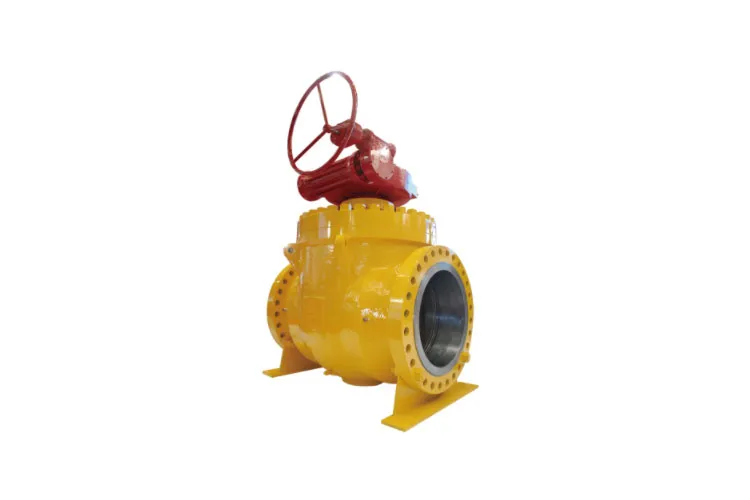
A trunnion mounted ball valve features a ball that is supported by trunnions (shaft-like devices) at the top and bottom, providing stability for the ball within the valve. This design helps the valve manage higher pressures with minimal torque, making it ideal for large-scale industrial applications where operator safety and precision are paramount.
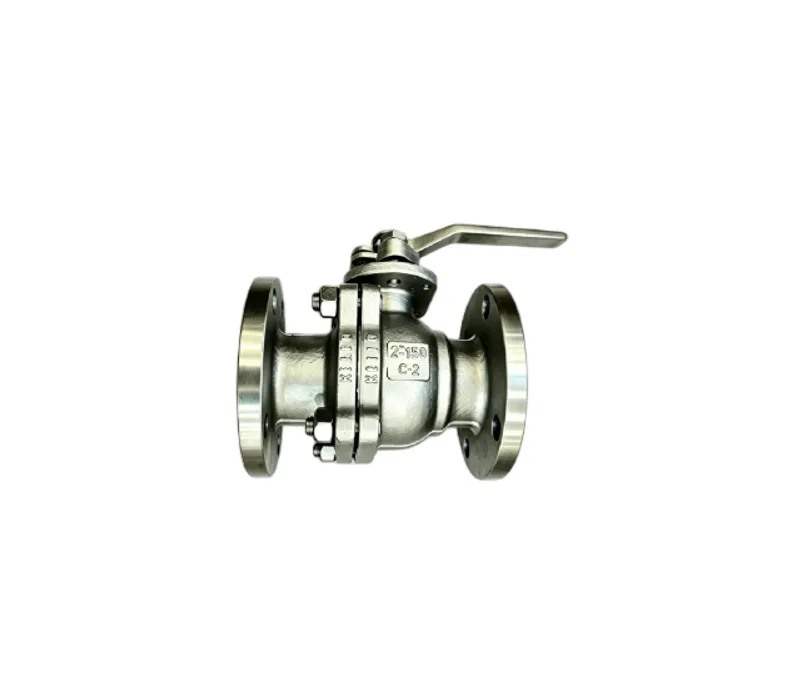
On the other hand, a fixed ball valve lacks these trunnions, with its ball held in place by the seats alone. This type typically requires higher torque to operate and is more suited for low- to medium-pressure applications. The absence of trunnions can make them less suitable for very high-pressure situations but more cost-effective for certain systems.
Product Structure, Performance, Materials, and Manufacturing
Trunnion mounted ball valves feature a complex structure with additional components such as bearings and a secondary sealing mechanism. These elements enhance the valve’s ability to handle pressure and minimize wear. Materials used often include stainless steel or high-grade alloys that provide superior resistance to corrosion and pressure. The manufacturing process involves precision engineering to enable tight shut-off capabilities and ensure operational efficiency.
Conversely, fixed ball valves have a simpler construction, concentrating largely on the quality of the seats and the ball. The materials used can range from basic stainless steel to more cost-effective alloys, depending on the application’s requirements. Manufacturing these valves involves techniques that ensure a snug fit between the ball and seats for effective isolation when closed.
Key Factors Affecting Quality or Performance
The performance of both valve types can be influenced by several factors:
1. Material Quality: The choice of material impacts corrosion resistance, pressure tolerance, and durability. Inferior materials can lead to leaks or rapid degradation.
2. Manufacturing Precision: High precision in manufacturing ensures better fit and finish, which affect sealing capabilities and operational efficiency.
3. Operating Environment: Exposure to harsh chemicals, extreme temperatures, or corrosive environments demands robust design and material considerations.
4. Maintenance Practices: Regular maintenance and inspection can significantly extend valve life and ensure consistent performance.
Supply Chain and Supplier Selection Standards
When selecting a supplier for ball valves, consider several criteria:
– Reputation and Experience: Suppliers with extensive experience and strong market presence are likely to provide higher quality and reliable products.
– Certifications and Compliance: Ensure that the supplier adheres to international standards and has necessary certifications.
– Customization Capability: The ability to modify designs to meet specific operational requirements is advantageous.
– After-Sales Support and Service: Responsive customer service and readily available technical support can minimize downtime and enhance operational efficiency.
Common Issues and Industry Challenges
Despite their robustness, trunnion mounted and fixed ball valves can face issues:
– Seal Wear and Leakage: Continuous exposure to high pressure or corrosive media can degrade seals, leading to potential leaks.
– Operational Torque: High torque requirements for fixed ball valves can limit their application in certain automated systems.
– Corrosion and Erosion: Inadequate materials or coatings can lead to premature valve failure.
Application Scenarios and Industry Use Cases
Trunnion mounted ball valves are employed extensively in high-pressure applications such as natural gas or oil pipelines, due to their superior ability to handle pressure fluctuations and large volumes.
Fixed ball valves find their place in less demanding scenarios, such as residential or low-pressure commercial piping systems, where cost efficiency is a priority over handling extreme conditions.
Current Trends and Future Development Directions
The industry is witnessing a shift towards smart valves that can integrate with IoT systems for better monitoring and predictive maintenance. Both trunnion mounted and fixed ball valves are evolving to incorporate sensors and advanced telemetry.
Future development likely will focus on enhancing material science to produce lighter, more durable valves and expanding automation capabilities to improve energy efficiency and reduce manual intervention.
FAQ
1. What is the main advantage of a trunnion mounted ball valve over a fixed ball valve?
Trunnion mounted valves are better suited for handling high-pressure and large-scale applications due to their support structure, which reduces operational torque and wear.
2. Can fixed ball valves be used in high-pressure applications?
While possible, fixed ball valves generally are not recommended for high-pressure applications as they require more torque to operate and may not withstand pressure variations as effectively.
3. How does regular maintenance affect valve lifespan?
Consistent maintenance can identify potential wear or damage early, ensuring seals are intact and moving parts are lubricated, thus extending the valve’s operational life.
4. Are there advancements in materials that benefit valve performance?
Yes, advancements in metallurgy and coating technologies are producing materials with better corrosion and pressure resistance, which directly enhances valve performance in challenging environments.
By understanding these aspects, companies can make informed choices tailored to their operational needs, enhancing system efficiency and reliability across diverse applications.
Contact Person:Max.Song(SongShanshan)
Title:General Manager
Mobile:+86 15611322632
Tell:+86 10 89282693
Email:international@bvmc.com
Address:No. 3, Lvhai Road, Pangezhuang Town, Daxing District, Beijing


Copyright © Beijing Valve General Factory Co., Ltd.
SitemapThis website uses cookies to ensure you get the best experience on our website.




 Phone