
Large Diameter Jacketed Gate Valves
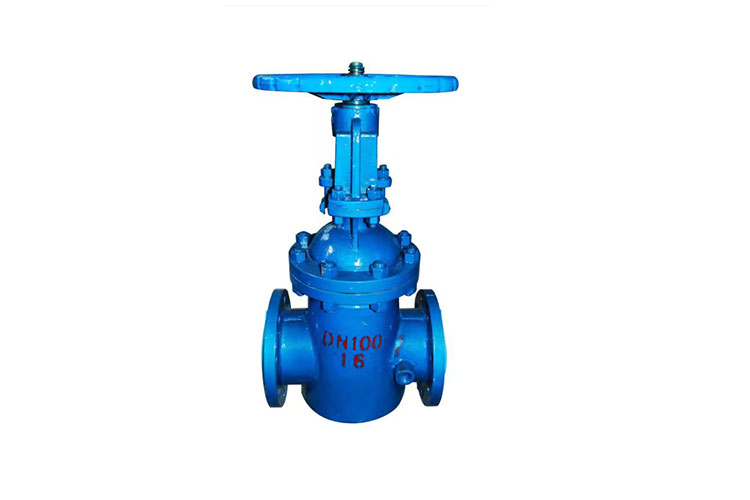
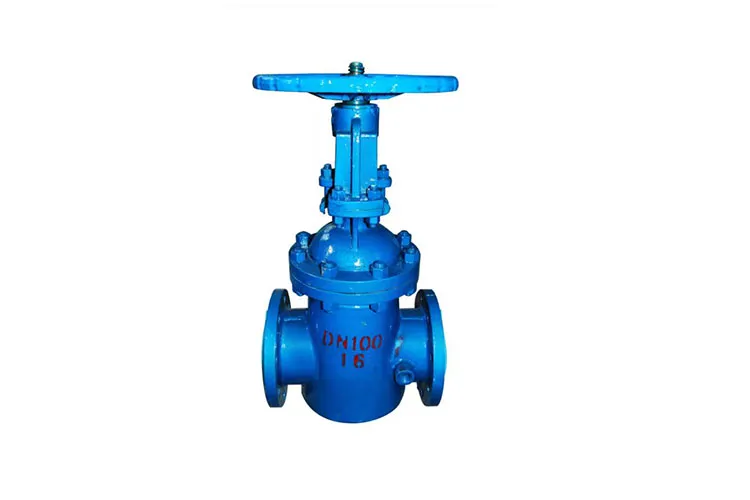
Large-diameter jacketed gate valves are thermal-insulated control valves specifically designed for high-flow and high-viscosity media. With nominal diameters of DN ≥ 300 mm as the core specification, these valves use an external jacket structure around the valve body to circulate heat-transfer media, providing thermal insulation and preventing media crystallization. They are widely used in industries such as petrochemical processing, district heating, and slurry transportation.
Structurally, the valve adopts an integrated “main valve + jacket” design. The valve body is made from WCB cast steel, ductile iron (QT450-10), or alloy steel (WC6). For high-pressure applications, thick-wall forging is used (wall thickness ≥ 50 mm). The jacket layer is closely fitted to the valve body and equipped with inlet and outlet ports for circulating heat-transfer media such as steam or hot water. The gate features a wedge design with a wedge angle of 3°–5°, and the sealing surfaces are overlaid with STL hardfacing alloys or Stellite alloys (hardness ≥ HRC 55) to meet the sealing compensation requirements of large-diameter valves. The valve seat adopts a floating structure, achieving self-energized sealing under line pressure, with leakage performance meeting ANSI B16.104 Class V. The stem is quenched, tempered, and nitrided, combined with a triple V-type packing seal to ensure zero leakage under high pressure. Actuation options include electric multi-turn actuators, hydraulic drives, and gear operators, suitable for the high-torque requirements of large-diameter valves.
Key technical parameters include nominal sizes from DN300 to DN2000 and pressure ratings from PN10 to PN420 (Class 150 to 2500 LB). Depending on the valve material and jacket heating medium, the operating temperature ranges from –29 °C to 425 °C. Carbon steel valves are suitable for –29 °C to 425 °C, while stainless steel versions can operate down to –196 °C. Jacket working pressure is typically ≤ 1.6 MPa and complies with GB/T 19672-2021. Connection types are mainly flanged, in accordance with ASME B16.5 and GB/T 9113 standards, while butt-welded ends are available for extra-large sizes (DN ≥ 1600 mm).
In terms of performance, the valve offers three key advantages. First, it provides efficient thermal insulation, with uniform heat transfer through the jacket layer to prevent high-viscosity media such as crude oil and asphalt from solidifying inside the valve. Second, it delivers reliable sealing, as the wedge gate compensates for thermal deformation and wear, meeting the sealing requirements of large-diameter valves. Third, it ensures smooth flow: the full-bore design achieves a flow resistance coefficient ≤ 0.1, with pressure loss approximately 20% lower than that of conventional gate valves, facilitating pipeline pigging operations. Manufacturing and testing strictly follow API 6D and GB/T 13927 standards, including hydrostatic testing at 1.5 times the nominal pressure, seat leakage tests, and non-destructive examination. These valves are suitable for crude oil, slurry, high-temperature steam, and media containing solids, and are typically applied in long-distance oil pipelines, district heating networks, and mine tailings transportation systems under high-flow service conditions.
Contact Person:Max.Song(SongShanshan)
Title:General Manager
Mobile:+86 15611322632
Tell:+86 10 89282693
Email:international@bvmc.com
Address:No. 3, Lvhai Road, Pangezhuang Town, Daxing District, Beijing


Copyright © Beijing Valve General Factory Co., Ltd.
SitemapThis website uses cookies to ensure you get the best experience on our website.




 Phone
Phone