
High Temperature Wear Resistant DBB Valves
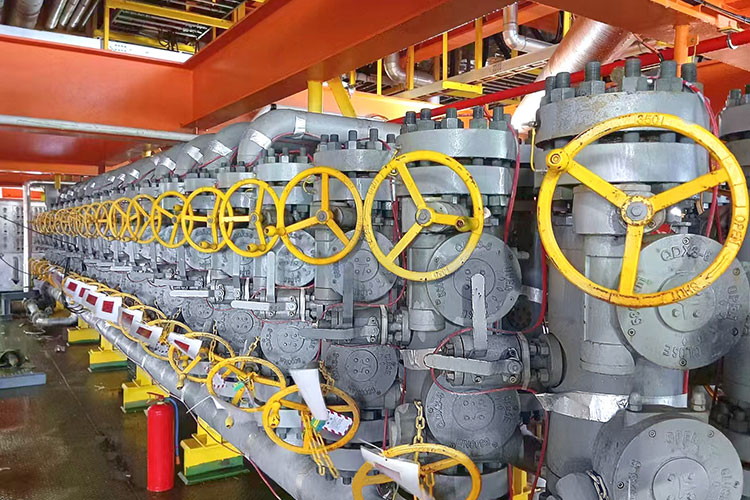
High temperature wear resistant DBB (Double Block and Bleed) valves are specialized control valves that combine dual block and bleed functionality with high-temperature and anti-wear performance. They are specifically designed for severe conditions involving high temperature, high pressure, and particulate-laden media. Constructed with wear-resistant alloys and a dual-seal design, a single valve provides bidirectional isolation and intermediate cavity venting. The valves offer core advantages of high safety redundancy, long-lasting sealing, and corrosion/erosion resistance, effectively addressing leakage and valve wear in high-temperature, abrasive applications.
The structural design focuses on high-temperature and wear-resistant adaptability. The valve body is made from WC6/WC9 chromium–molybdenum alloy steel or P91/P92 heat-resistant steel, with Inconel 625 used for extreme high-temperature service. The body is manufactured through integral forging, with wall thickness complying with ASME B16.34 and API 6D standards, capable of withstanding thermal shock and stress deformation at high temperatures.
The core sealing surfaces use a “wear-resistant alloy + hardening treatment” combination. The discs are made from duplex stainless steel or wear-resistant alloy, with surfaces coated via supersonic spray with WC-Co (tungsten carbide–cobalt) at a thickness ≥ 0.8 mm and hardness ≥ HRC 65. The seat sealing surfaces are overlay welded with Stellite 21, forming an extremely durable wear- and corrosion-resistant sealing pair capable of resisting particulate-laden media erosion. The dual-seat plus intermediate bleed channel structure maintains the DBB functionality, with a vent interface in the intermediate cavity allowing real-time monitoring of sealing status.

The stem is made of 25Cr2MoV with nitriding treatment, paired with dual sealing using flexible graphite and braided metal packing, ensuring zero leakage under high temperature and high pressure. Actuation options include manual, electric, and gear-driven mechanisms.
Key technical parameters include nominal sizes from DN25 to DN400 (1"–16") and pressure ratings from PN100 to PN420 (Class 600–2500 LB). Operating temperatures range from 350 °C to 650 °C, with special alloy models capable of withstanding extreme temperatures up to 800 °C. Wear resistance meets ASTM G65 standards, suitable for media containing solid particles up to 5 mm in diameter. Connection types include flanged (ASME B16.5, GB/T 9113) and butt-welded ends, with sealing surfaces supporting RF and RTJ types. Manufacturing and testing strictly follow API 6D, ASME B16.34, and API 598 standards, including high-temperature pressure tests, dual-seal tests, wear-resistance tests, and non-destructive examinations (UT/RT).
In terms of performance, the valve offers three main advantages. First, superior high-temperature and wear resistance: the combination of special materials and hardened coatings extends service life by 3–5 times compared with standard DBB Valves. Second, high safety redundancy: the dual block and bleed function isolates upstream and downstream media, and the intermediate cavity vent facilitates troubleshooting, making the valve suitable for high-risk applications. Third, broad adaptability: capable of handling high-temperature particulate media, corrosive gases, and abrasive conditions without frequent replacement of wear parts. Typical applications include coal chemical gasification units, metallurgical hot-air pipelines, flue gas denitrification systems in thermal power plants, and high-temperature powder transport pipelines under severe operating conditions.
Contact Person:Max.Song(SongShanshan)
Title:General Manager
Mobile:+86 15611322632
Tell:+86 10 89282693
Email:international@bvmc.com
Address:No. 3, Lvhai Road, Pangezhuang Town, Daxing District, Beijing


Copyright © Beijing Valve General Factory Co., Ltd.
SitemapThis website uses cookies to ensure you get the best experience on our website.




 Phone
Phone